
Have you ever walked into a messy room and immediately felt your brain fog up? That is not just in your head. The space around you has a real effect on how you think, how you feel, and how well you get things done. A cluttered home quietly drains your energy every single day — and most people do not even realize it.
This guide is for anyone who wants to build a calmer, more organized home without making it complicated. Whether you are starting from scratch or just trying to maintain what you already have, you will find practical ideas here that actually work in real life. We will cover every room in your home, share easy daily habits, and help you build the kind of disciplined lifestyle that keeps things tidy long after the motivation fades.
Let us get started.
Why Home Organization Improves a Disciplined Lifestyle
The Connection Between Clean Spaces and Mental Clarity
Your brain is always processing what it sees. When your environment is messy, your mind is constantly reminded of unfinished tasks. It creates low-level stress that never quite goes away. On the other hand, when you walk into a clean and organized space, your mind settles. You can focus. You can think clearly.
There is a reason why many successful people are intentional about their physical space. It is not about being a perfectionist. It is about removing unnecessary noise from your environment so your mental energy goes toward the things that matter.
How Organized Homes Reduce Daily Stress
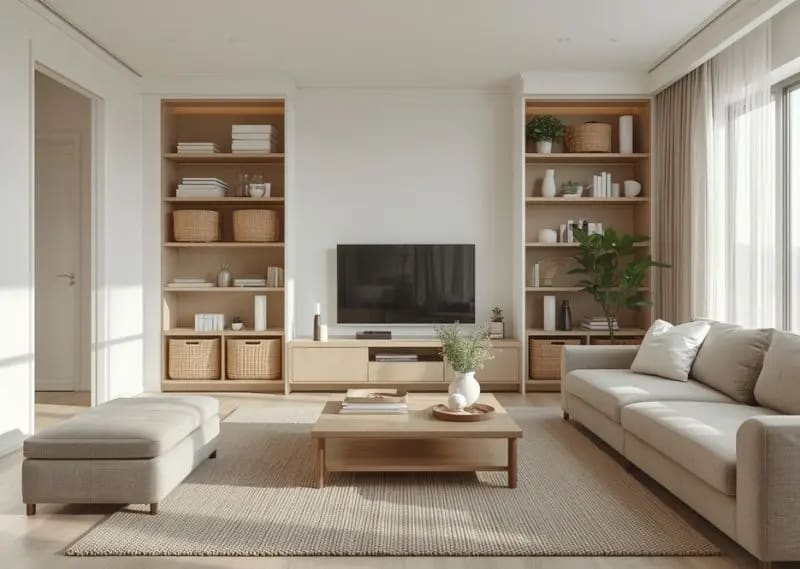
Think about how many small frustrations happen in a disorganized home. You cannot find your keys. Your bag is buried under a pile of clothes. The kitchen counter is too cluttered to cook a proper meal. These tiny moments of friction add up. By the end of the day, you feel tired without having done anything meaningful.
An organized home removes most of that friction. When everything has a place, your mornings move faster. Your evenings feel more peaceful. And the mental load of managing your household becomes much lighter.
Small Habits That Create Long-Term Discipline
Here is the truth about discipline — it is not about willpower. It is about systems. When your home is set up in a way that makes it easy to stay tidy, you do not need to force yourself. The habit becomes natural. A five-minute evening reset is easier to keep than a four-hour weekend cleaning session. Small, consistent actions build a lifestyle. That is the foundation of disciplined living.
How to Create a Home Organization System That Actually Works
Declutter Before You Organize
This is the step most people skip, and it is the reason their organization efforts do not last. If you buy storage bins and fill them with things you do not need, you have just moved the problem, not solved it.
Before you organize anything, go through your belongings and be honest. Ask yourself: Do I use this? Do I love this? Does this serve a purpose in my life right now? If the answer is no, let it go. Donate it, sell it, or throw it away. Less stuff means less to manage.
Use Categories Instead of Random Storage
One of the biggest organizing mistakes is storing things based on where they fit rather than what they are. Instead, group similar items together. Keep all your cleaning supplies in one place. Keep all your office supplies together. Keep your hobby items in one dedicated area.
When everything has a clear category, it is easy to find things and easy to put them back. That second part is just as important as the first.
Build Easy Daily Maintenance Routines
Organization is not a one-time event. It is something you maintain every day through small actions.
Here is a simple daily reset checklist:
- Put away anything on the kitchen counter after cooking
- Return items to their designated spots before bed
- Wipe down surfaces in the bathroom each morning
- Hang up or fold clothes instead of leaving them on chairs
- Empty bags and clear your work desk at the end of the day
A ten-minute reset each evening can prevent hours of deep cleaning on the weekend. Make it a non-negotiable part of your routine.
Choose Functional Storage Solutions
Not all storage is equal. A beautiful storage solution that is hard to use will be abandoned quickly. Choose things that are simple to access. Open baskets, clear bins, and drawer dividers work well because they make it easy to see what you have and put things back without effort.
Living Room Organization Ideas for a Cleaner Space
Hidden Storage Furniture Ideas
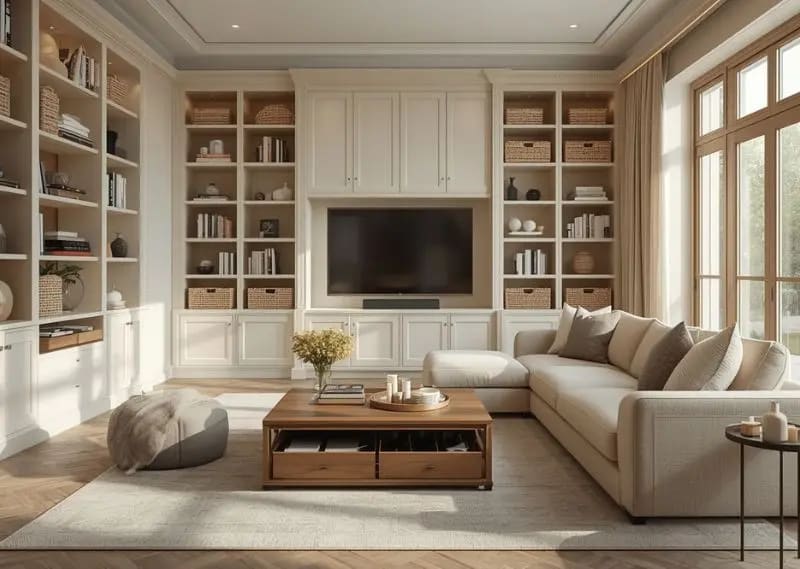
The living room tends to collect clutter because it is a shared space where everyone spends time. The key is to use furniture that doubles as storage. An ottoman with a lid can hold blankets, games, or remote controls. A coffee table with a lower shelf gives you space for books or decorative baskets. Built-in shelving with closed cabinets below lets you display things on top while hiding everyday clutter inside.
How to Organize Cables and Electronics
Few things make a room look messier than tangled cables. Gather your cords and use cable clips or velcro ties to bundle them together. Run them along the back of furniture so they stay out of sight. For remotes and small devices, a small tray or designated basket on the coffee table keeps everything in one spot and stops them from ending up between the couch cushions.
Best Basket and Shelf Styling Tips
Shelves look their best when they are not overcrowded. Give items room to breathe. Use a mix of practical items and a few decorative pieces to make it feel intentional rather than stuffed. Woven baskets on lower shelves are great for storing things you use regularly while keeping the space looking neat.
Keeping Daily Clutter Under Control
Designate one spot in the living room as the "drop zone" for things that are temporarily there — mail, books, a child's toy. Once a day, clear that spot. This one habit alone can transform how your living room looks and feels.
Bedroom Organization Ideas for Better Daily Routines
Organize Your Closet Like a Professional
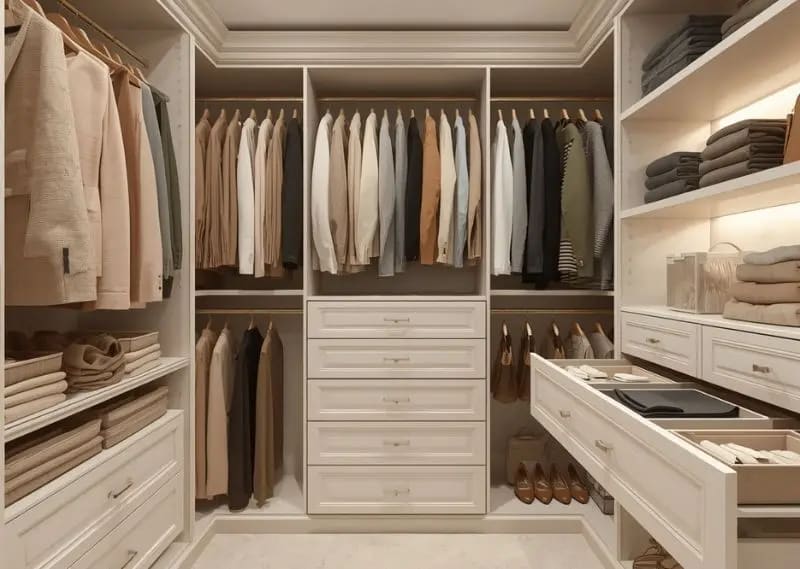
A well-organized closet changes your mornings completely. Start by removing everything and only returning what you actually wear. Sort clothes by category — tops, bottoms, dresses, jackets. Within each category, arrange by color. This sounds simple, but it makes getting dressed much faster and more enjoyable.
If you have been thinking about a capsule wardrobe, the bedroom closet is the place to start. Fewer, better-chosen clothes means less decision fatigue and a closet that is always easy to manage.
Under-Bed Storage Solutions
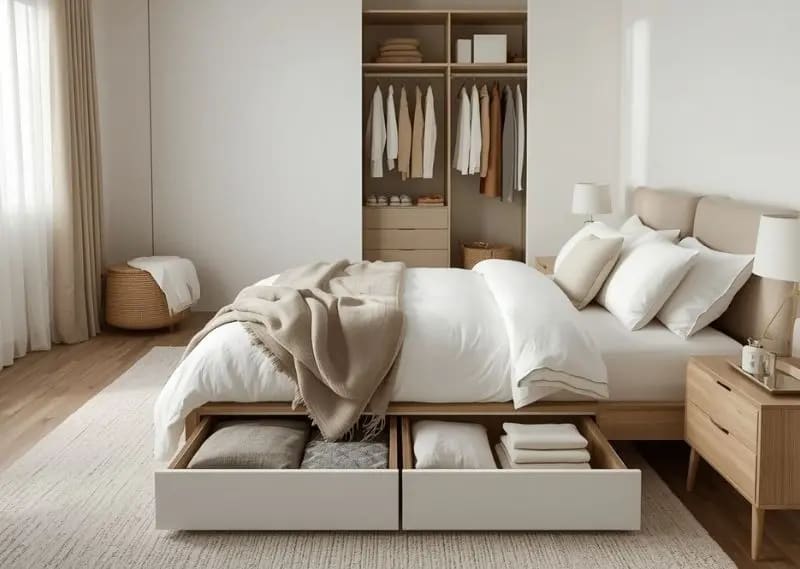
The space under your bed is valuable real estate. Use flat storage containers to keep off-season clothing, extra bedding, or shoes. Look for containers with lids to keep dust out. Labeling them on the side makes it easy to find what you need without pulling everything out.
Nightstand Organization Tips
Your nightstand should only hold what you actually use at night — a lamp, your book, a phone charger, maybe a glass of water. A small drawer or tray keeps things from spreading. Resist the temptation to use the nightstand as a dumping ground. A tidy nightstand creates a calmer environment for sleep, which supports your entire routine the next day.
Create a Minimal Bedroom Environment
The bedroom should feel restful. That means keeping surfaces clear, limiting the number of decorative objects, and making sure everything has a home. A laundry basket in the closet or corner prevents the "chair pile" that grows in most bedrooms. Making your bed each morning sets a tone of order for the rest of the day.
Kitchen Organization Ideas That Save Time Every Day
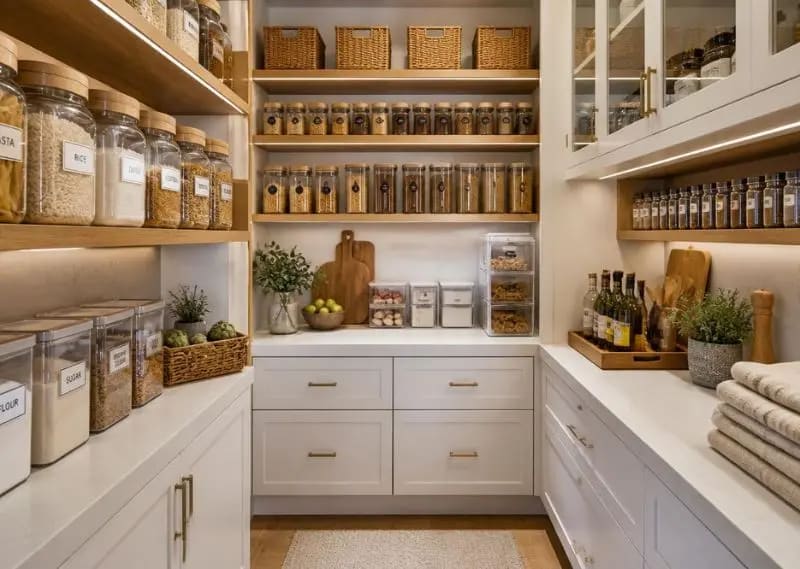
Pantry Organization Essentials
A disorganized pantry leads to forgotten food, expired items, and the frustrating habit of buying things you already have. Clear the pantry completely and wipe it down. Then sort items into categories — grains, canned goods, snacks, baking supplies. Use clear containers for dry goods like pasta, rice, and cereals. Label everything.
Place the items you use most at eye level. Store less-used items on higher or lower shelves. This simple system saves time during every meal and prevents food waste.
Drawer and Cabinet Organizers
Kitchen drawers become chaotic quickly. Drawer dividers are one of the best investments for a kitchen. Use them to separate utensils, tools, and cutlery. Inside cabinets, stackable shelves double your storage space. Pull-out organizers for pots and pans lids are a small change that makes a big difference in how functional your kitchen feels.
Meal Prep Storage Systems
If you meal prep regularly, having a good container system is essential. Use matching containers that stack neatly. Store them in one dedicated cabinet or drawer. Label containers with contents and dates. A well-organized meal prep station makes healthy eating easier and reduces daily decision-making.
Labeling Ideas for a Disciplined Kitchen
Labels are one of the most underrated organization tools. They help everyone in the household know where things belong, which means things actually get put back in the right place. Use a simple label maker or even handwritten labels on tape. Clear labels on pantry jars, cleaning supplies, and refrigerator shelves create a system that maintains itself.
Bathroom Organization Ideas for Small and Large Spaces
Organize Toiletries Efficiently
Most bathrooms are not large, which means every inch counts. Start by removing expired products and anything you do not use. Group what remains by type — skincare, haircare, dental, medicines. Use small trays or organizers inside drawers to keep categories separate.
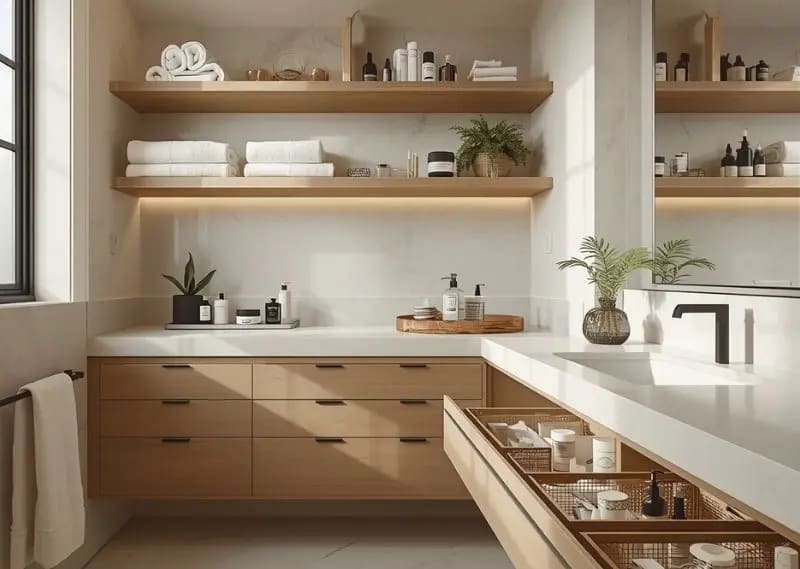
For skincare in particular, keeping your routine products in one small tray on the counter means you always know what goes where and the counter stays tidy.
Vertical Storage for Small Bathrooms
When floor space is limited, go up. Floating shelves above the toilet or beside the mirror give you storage without taking up any floor space. Hooks on the back of the door are perfect for towels, robes, or bags. Over-the-door organizers can hold hair tools, products, or cleaning supplies in a way that is both functional and out of the way.
Drawer Dividers and Cabinet Systems
The cabinet under the sink is often the most chaotic spot in the bathroom. Use small bins or a two-tier organizer to make use of the space properly. Group cleaning supplies together, spare toiletries together, and first aid items in their own bin. A clear, simple system here saves you from the frustrating dig-through every morning.
Daily Bathroom Reset Routine
A two-minute bathroom reset each morning keeps the space consistently tidy. Wipe the counter, hang up towels, put away anything left out, and you are done. It sounds almost too simple, but this small habit prevents buildup and makes the bathroom feel clean even on busy days.
Entryway and Mudroom Organization Ideas
Shoe Storage Solutions
The entryway sets the tone for your entire home. If it is cluttered with shoes and bags, every arrival feels chaotic. A simple shoe rack or a cabinet near the door keeps footwear contained. Set a household rule — shoes stay at the door. This habit also keeps dirt from spreading through the rest of the house.
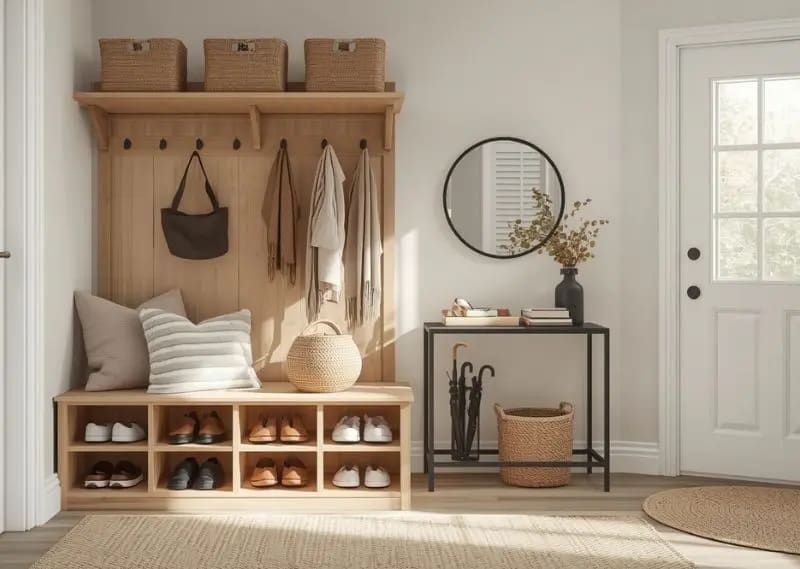
Bag and Key Organization Systems
A row of hooks near the door is one of the most effective organization tools in any home. Hooks for bags, jackets, and umbrellas mean these items never end up on the couch or the floor. A small bowl or hook specifically for keys removes one of the most common sources of morning stress. When your keys always live in the same spot, you never lose them.
Daily Drop Zone Setup
Create a designated landing zone near the entrance for mail, daily essentials, and anything you are carrying in. A small tray, a basket, or a shallow bowl works well. The rule is simple — clear it daily. What needs to be acted on gets moved, and what needs to be put away goes where it belongs.
Home Office Organization Tips for Maximum Productivity
Desk Decluttering Methods
A cluttered desk fragments your attention. Keep only the essentials on your desk surface — your computer, a notepad, and perhaps one or two frequently used items. Everything else goes in a drawer or off the desk entirely. A clear desk signals to your brain that it is time to work.
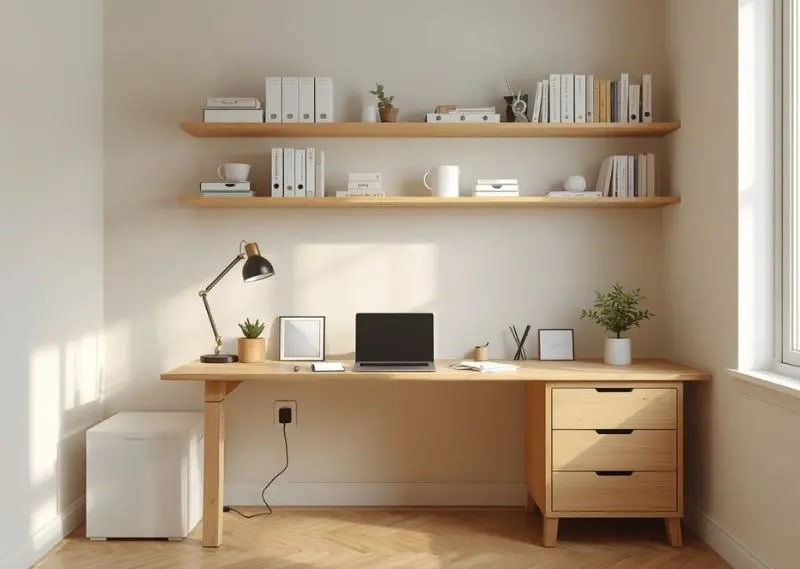
Cable Management Ideas
Just like in the living room, cables in a home office create visual noise. Use a cable management box to hide your power strip and excess cord length. Velcro ties or cable clips keep individual cords together and routed neatly. This is a one-time setup that makes your workspace look and feel more professional.
Organize Paperwork and Supplies
Paper is the biggest source of desk clutter for most people. Create a simple filing system — an inbox for things to act on, a folder for things to file, and a trash bin for everything else. Deal with paper when it arrives rather than letting it pile up. For supplies, keep only what you use regularly in a desk organizer. The rest goes in a drawer.
Productivity Habits for Disciplined Workdays
Your workspace should support focus. At the end of each workday, spend five minutes resetting your desk. Put away supplies, file any loose paper, and close browser tabs. Starting the next day with a clean desk removes friction and helps you get into a productive mindset faster.
Daily Habits That Keep Your Home Organized Long-Term
The 10-Minute Reset Rule
Every evening, spend ten minutes walking through your home and returning things to their place. This is not deep cleaning — it is maintenance. Music or a podcast makes it enjoyable. This single habit, done consistently, is more powerful than any weekend organization session.
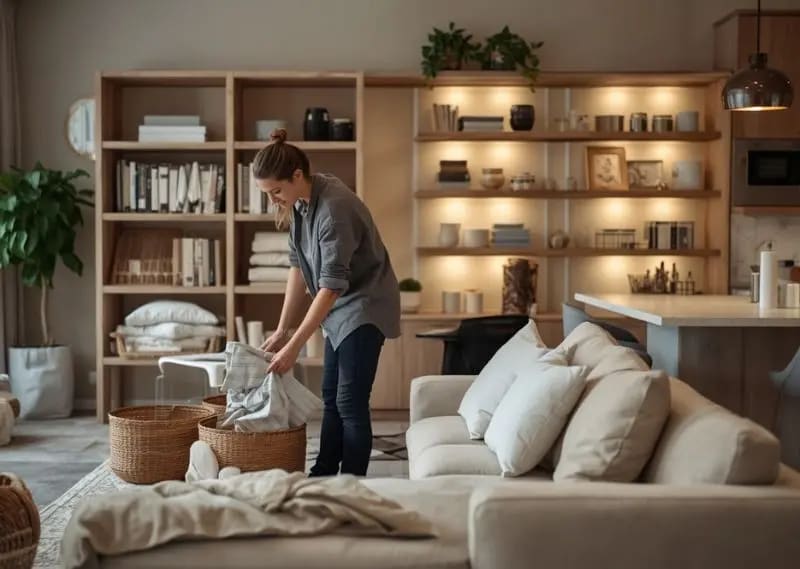
The One-In-One-Out Method
Every time something new comes into your home, something old leaves. Buy a new pair of shoes? Donate an old pair. Get a new kitchen gadget? Remove one you no longer use. This method keeps the volume of your belongings stable, which means your organization systems never get overwhelmed.
Weekly Organization Schedule
Set aside a short window each week for slightly deeper maintenance. This might look like: Monday — clear the entryway. Wednesday — wipe down kitchen surfaces and reorganize the counters. Friday — tidy the bedroom and bathroom. Spreading tasks across the week makes them manageable and prevents the overwhelm of a monthly deep clean.
Family Organization Habits
If you live with others, getting everyone involved is essential. Make the systems simple enough for children and anyone else in the household to follow. Labels help. Clear bins help. Keeping the rules easy — shoes at the door, bags on hooks, dishes in the sink — makes it realistic for everyone to participate.
Common Home Organization Mistakes to Avoid
Buying Storage Before Decluttering
This is the most common and expensive mistake. Buying bins and baskets before clearing out what you do not need means you are organizing clutter, not eliminating it. Always declutter first. Then, and only then, assess what storage you actually need.
Creating Overcomplicated Systems
If your system requires more than one or two steps, people will not maintain it. Simple always wins. A bin that you toss things into is more sustainable than a color-coded, labeled, multi-step filing system that looked great on a weekend afternoon.
Ignoring Daily Maintenance
Organization is not a one-time project. The homes that stay tidy belong to people who do a little bit every day. Skipping the daily reset for a week creates a mess that takes a full weekend to undo. Small and consistent always beats big and occasional.
Keeping Unnecessary Items
Sentimental attachment to things you do not use keeps your home cluttered. Be thoughtful but honest. Keeping one meaningful item is sentimental. Keeping a room full of things "just in case" is clutter in disguise.
Conclusion
An organized home is not about having a perfect house. It is about building an environment that supports the life you want to live. When your space is calm and intentional, your mind follows. Your mornings get easier. Your evenings get more restful. The small decisions that used to feel stressful start to disappear.
You do not need to overhaul your entire home in a weekend. Start with one room. Pick the space that bothers you most or the one where you spend the most time. Build a simple system. Maintain it daily. Then move to the next room.
Consistency matters far more than perfection. The goal is progress — a home that slowly becomes a place of calm, focus, and ease.
Start organizing one room today and build a calmer, more productive home.
Frequently Asked Questions
How do I start organizing my home? Start by picking one room rather than trying to tackle everything at once. Clear out what you do not use, group what remains by category, and create simple storage solutions for each group. Build a daily reset habit for that room before moving on to the next.
What is the best home organization method? There is no single method that works for everyone, but the most effective approaches share two things: they start with decluttering and they keep systems simple. The KonMari method, the one-in-one-out rule, and category-based storage are all solid starting points.
How can I keep my home organized every day? A daily ten-minute reset is the most powerful tool. Walk through your home each evening and return items to their proper place. Pair this with simple habits like putting things away immediately after use and doing a quick morning scan of shared spaces.
What are the best storage ideas for small homes? In small spaces, vertical storage is your best friend. Use wall-mounted shelves, over-the-door organizers, and under-bed storage. Choose furniture that doubles as storage, like ottomans with lids and beds with drawers. Most importantly, own less — the less you have, the easier it is to store.
Why does an organized home improve productivity? Clutter competes for your attention. Every item out of place is a small signal to your brain that something needs to be dealt with. An organized space reduces that mental noise, allowing you to focus on the task in front of you. Studies consistently show that people work more efficiently and feel less stressed in tidy environments.
🌿 Outdoor Living & Landscaping Ideas
• 25 Stunning Landscaping Ideas for Your Lawn & Garden (Backyard, Patio & Outdoor Spaces 2026)
• 25 Pool Designs That Will Transform Your Backyard in 2026 (Luxury to Budget Ideas)
• 30 Cozy Patio Decor Ideas: Create a Relaxing Outdoor Oasis at Home
• 15 Best Furniture Sets for Every Space: Patio, Living Room, Bedroom & Outdoor Living
🛋️ Living Room & Small Space Design
• Transform Your Space: Best Floor Lamps for Living Room in 2026
• 15 Best Sofas for Small Living Rooms That Maximize Space & Style
• Best Space Saving Furniture for Living Room in 2026 for Small Apartments
• Small Room? These Cozy Corner Ideas Will Completely Change How It Feels
🛏️ Bedroom Decor & Organization
• Aesthetic Bedroom Ideas for Small Rooms: Dreamy & Cozy Decor Guide
• Floating Shelves for Bedroom: Best Picks + Stylish Ideas (2025 Guide)
• Small Bedroom Ideas for 2026: Maximize Style & Space
• 10 Bedroom Wall Decor Ideas for Small Rooms (Budget-Friendly & Modern 2026)
• 20 Best Wall Decor Ideas for Bedroom Walls (Stylish & Easy Upgrades)
• 5 Boho Bedroom Wall Décor Ideas for 2026
• Tired of Your Bedding Letting You Down? Meet Your Dream All-Season Solution.
🏡 Home Decor & Interior Inspiration
• 20 Japandi Interiors That Perfectly Blend Scandinavian Simplicity & Japanese Elegance
• 23 Iranian Home Decor Interior Design Ideas That Bring Timeless Elegance
• 21 Artificial Flora for Home Decor (Stylish, Low-Maintenance Greenery for Every Room)
• 10 Stylish Neutral Home Office Designs for Men That Boost Focus and Comfort
🧺 Home Organization & Smart Storage
• Ultimate Home Organization Guide for Beginners (2026)
• 7 Genius Storage Tricks That Double Your Toddler's Floor Space
🛁 Bathroom & Seasonal Decor
• 7 Bathroom Remodel Design Ideas to Transform Your Space in 2026
• 7 Valentine Home Décor Ideas to Create a Romantic, Cozy & Pinterest-Worthy Space
• Top 5 Valentine’s Day Home Decor Ideas to Create a Romantic Atmosphere


0 Comments